
We help make preventive care easy.
Table of contents
- What is preventive care?
- Why this matters at every age
- Preventive care in your 20s and 30s: Start with the basics
- Preventive care in your 40s and 50s: Watch for shifts, not just symptoms
- Preventive care after 65: Stay consistent and connected
- What matters at every age
- Men’s mental health matters too
- How to make your next preventive visit more useful
- Take the next step
- The doctor is in: Dr. Hockenberry’s FAQs
Preventive care isn’t about waiting until something feels wrong. It’s how you stay ahead of health issues and not just respond to them. It’s the checkups, screenings, and conversations that help you catch concerns early and make informed decisions before symptoms become urgent.
It can also look different at different life stages. What matters in your 20s isn’t necessarily what matters in your 50s or 70s. This article walks you through common age-based check-ins, explains what a health screening is, and gives tips on where to start no matter your age.

What is preventive care?

At its core, this includes routine checkups, screenings, vaccines, and conversations with your healthcare provider designed to catch potential risks early.
A screening is a test or assessment to detect health issues before symptoms appear. These range from simple blood pressure checks to more in-depth tests like cholesterol panels or cancer screenings. The goal is to find problems early, when treatment is simpler and more effective.

Why this matters at every age
The specifics shift over time, but the goal stays consistent: catch changes early and avoid surprises. Research published in JAMA confirms that regular preventive care visits are associated with greater chronic disease detection, improved risk-factor control, and improved patient-reported outcomes. And Doctor On Demand® provider Dr. Heather Hockenberry agrees.

Staying healthy isn’t about perfection. It’s about knowing what matters most at your stage of life. According to the CDC, routine checkups reduce the risk of diseases, disabilities, and death. Understanding what to prioritize — and when — is the first step toward staying healthy.

Preventive care in your 20s and 30s: Start with the basics
Your 20s and 30s are the foundation years. Many people feel healthy and assume they don’t need health screenings, but this is when establishing baseline results matters most.
“We start screening early to catch things before they become a problem,” shares Dr. Hockenberry. “If we wait, it’s not preventive anymore — you’re dealing with a condition you’ve been living with for years without knowing it.”

What to check in on
During your 20s and 30s, common checks include:
- Blood pressure: High blood pressure often has no symptoms, but it’s a leading risk factor for heart disease and stroke. Screening can start around age 18.
- Cholesterol: At least one cholesterol screening in your early 20s can catch familial hypercholesterolemia — a genetic disorder causing extremely high cholesterol that requires early treatment to prevent heart disease.
- Cervical cancer and HPV: For people with a cervix, screening should start at around age 21 and continue every few years.
- Vaccines: Stay up to date on boosters for tetanus, MMR, and annual flu and COVID vaccines.
- Sleep, stress, and mood: These aren’t just quality-of-life issues. They affect your physical health too, and bringing them up during a physical checkup can open important conversations.
- Family history: Share any new diagnoses to help your provider tailor recommendations.
Why it matters
Early adulthood is when baseline health habits are established. The choices you make now set the stage for the decades ahead.

Preventive care in your 40s and 50s: Watch for shifts, not just symptoms
Your 40s and 50s are when more formal health screenings become relevant. This doesn’t mean something is wrong — it means risk factors and long-term health patterns start to show up more clearly.
A study in The Lancet Public Health Journal found that adults who see their doctor regularly can catch health problems early, before they turn into serious long-term illnesses. At this age, staying healthy means tracking how your health changes over time, not just getting a one-time checkup.

What to check on
Common check-ins during your 40s and 50s include:
- Blood pressure, cholesterol, and blood sugar: Diabetes screening should start around age 40. Regular monitoring helps catch problems before they become serious.
- Breast cancer screening: Mammograms start at age 40. If you have a family history of breast cancer, talk to your doctor about earlier screenings.
- Colon cancer screening: Start at age 45. A colonoscopy every 10 years is the gold standard, though other screening options are available.
- Prostate cancer screening: Men should talk to their doctors about PSA tests around age 50. Discuss your personal risk factors to decide timing.
- Cervical cancer screening: Continue routine screenings every few years. Your doctor will recommend the right schedule based on your health history.
- Weight, sleep, energy, and hormone changes: Metabolism shifts, sleep disruptions, and energy fluctuations are common in your 40s and 50s. Discuss any concerns.
- Stress and burnout: Chronic stress contributes to inflammation, weakened immunity, and heart disease risk. Bring it up at your next checkup.
Why it matters
More risk factors and long-term patterns begin to show up during your 40s and 50s. The difference between catching a concern early and managing a more complex issue comes down to timing. If family history is a factor, earlier screenings are something to ask about.
“Breast cancer screening starts at age 40, with some guidelines suggesting age 45,” says Dr. Hockenberry. “If you have a mom or sister with breast cancer, it should be done at age 40 — or perhaps even earlier.”

Preventive care after 65: Stay consistent and connected
Care after 65 focuses on protecting independence, safety, and daily function. According to the National Institute on Aging, adults over 65 who maintain regular care experience fewer hospitalizations, better management of chronic conditions, and improved well-being. This stage is about staying proactive so you can keep doing what you love.

Common checkups after 65 include:
- Mobility and fall risk: Simple balance exercises and home safety adjustments can prevent serious injuries.
- Bone health: Bone density screenings help assess osteoporosis risk.
- Hearing or vision changes: These changes are common but shouldn’t be ignored. Addressing them early helps maintain independence.
- Medication review: As prescriptions accumulate, a regular review ensures they’re still necessary and not interacting poorly.
- Ongoing screenings as appropriate: Your provider will help you understand which tests still matter for you.
- Mental health and isolation: Social connection and emotional well-being are critical. Feeling isolated or consistently low deserves attention.
Why it matters
Care at this stage helps protect independence, safety, and daily function. Small adjustments now can prevent bigger challenges later.

What matters at every age
Some checks apply across all life stages:
- Blood pressure: Check it regularly. High blood pressure often has no symptoms but can lead to heart disease, stroke, and kidney damage.
- Vaccines: Stay up to date on routine vaccines and boosters, including annual flu and COVID vaccines, shingles vaccines (adults over 50), and tetanus boosters every 10 years.
- Weight and metabolic trends: Unexplained weight changes, energy shifts, or persistent fatigue can signal metabolic issues.
- Sleep and stress: Quality sleep and manageable stress affect everything from your immune system to cardiovascular health. If either is consistently poor, bring it up.
- Family history: Share new diagnoses with your provider to personalize your care.
- Cancer conversations: Your provider will help you understand which tests make sense based on your age, sex, family history, and risk factors.
- Mental health: Mood changes, anxiety, persistent stress, or loss of interest in activities are part of routine care.

Men’s mental health matters too
Regular check-ins about mood, stress, sleep, irritability, burnout, and anxiety should be standard for men. Yet men often delay discussing emotional concerns until they affect work, relationships, or physical health.
According to a meta-analysis published in The International Journal of Psychology, men are less likely to seek mental health support. Talking about mental health before it becomes a crisis is proactive care. If you’re noticing stress that won’t let up, mood changes, sleep disruption, or loss of interest in activities, bring it up during your next regular checkup.
Mental health check-ins are routine. They don’t mean something is wrong — they mean you’re taking care of yourself proactively.
“Depression screening is routine with primary care providers,” says Dr. Hockenberry. “As part of a yearly physical, you’ll get a questionnaire about your mental health. If you feel something creeping up — anxiety, poor sleep, mood changes — you can schedule a visit between checkups.”

How to make your next preventive visit more useful
According to Dr. Hockenberry, if you’ve fallen behind and don’t know where to start, you should schedule an appointment with your primary care doctor. “They know exactly what to do and will get everything squared away. Don’t feel overwhelmed — your doctor won’t be.”
Here’s what to think about ahead of time:
- Note recent health changes: energy, sleep, mood, weight, symptoms.
- Update your list of medications and supplements.
- Bring family history updates.
- List questions if you’re unsure what you need.
- Mention stress, sleep, and mood changes.

Take the next step
Routine care is about staying ahead, not being perfect. It’s knowing what to check in on now and understanding how to stay healthy.
If it’s been a while, book a visit to get started. Learn how an online doctor visit works.
Your health is worth the time. Let’s make staying healthy easier.
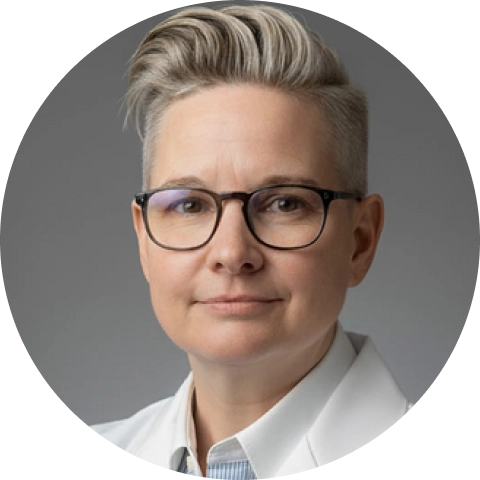
The doctor is in:
Dr. Hockenberry’s FAQs
Want to know more about preventive care? Dr. Heather Hockenberry answers common questions and sheds more light on what to do next.
What is preventive care?
Dr. Hockenberry: It’s healthcare focused on keeping you healthy rather than treating illness after it develops. This includes routine checkups, screenings, vaccines, and conversations with your provider about risks, lifestyle, and health goals. Think about vaccinations from childhood through adulthood, screenings for high blood pressure, cholesterol, diabetes, and cancer. When we catch these conditions early, we can do something about it. The goal is preventing diseases before they negatively affect your health.
What is a health screening?
Dr. Hockenberry: A screening is a test or assessment done to detect potential issues before symptoms appear. These can be as simple as a blood pressure check or as detailed as a full blood panel, mammogram, or colonoscopy. The goal is to find concerns early, when treatment is more effective.
How often should I get a checkup?
Dr. Hockenberry: For most adults, annual visits are a good baseline. Frequency depends on your age, health status, family history, and risk factors. If you’re managing chronic conditions, you might need more frequent visits. The key is consistency — it helps your provider track changes and catch concerns early. If you’ve fallen behind, schedule an appointment with your primary care doctor. They know exactly what to do and will get everything squared away.
Does mental health screening count as preventive care?
Dr. Hockenberry: Absolutely. Mental health screening is essential, not an optional add-on. Your emotional well-being affects your physical health — chronic stress increases your risk for heart disease, weakens your immune system, and disrupts sleep. During yearly physicals, your primary care doctor will typically give you a questionnaire about your mental health. This should be done at least yearly. If you feel something creeping up — anxiety, poor sleep, mood changes — you can schedule a visit between checkups. We ask about mood, stress, anxiety, sleep quality, and life changes because these factors matter just as much as your blood pressure or cholesterol.
What matters most if I feel healthy?
Dr. Hockenberry: Feeling healthy is when routine visits matter most. It’s easy to skip checkups when nothing feels wrong, but that’s when we catch subtle changes before they become bigger problems. The whole point is catching things early — before they settle in and affect your health. If we wait until symptoms appear, you’re managing a condition already impacting your life. Keep up with blood pressure checks, stay current on vaccines, and have regular conversations about your family history, lifestyle, and changes in sleep, mood, or energy. Staying healthy is about being proactive.
What if I feel too young to worry about screenings?
Dr. Hockenberry: We start screening early to catch things before they become a problem. If we wait, you’re dealing with a condition you’ve been living with for years without knowing it. If we catch overweight and obesity in children and manage it early, we can prevent high blood pressure, high cholesterol, and diabetes — which lessens their chances of developing heart disease later. The same principle applies throughout your life.
What should men bring up at a visit?
Dr. Hockenberry: Men should bring up everything — physical symptoms, mental health, stress, sleep, mood changes, and concerns about sexual health or substance use. Many men delay discussing emotional issues until they significantly affect daily life. That’s a missed opportunity. Routine visits are the time to talk about stress that won’t let up, irritability, burnout, or low mood. These conversations are just as important as discussing blood pressure or cholesterol.
What if I’m not sure which health screenings I need?
Dr. Hockenberry: That’s common, and it’s exactly what your provider is there to help you figure out. Guidelines vary based on age, sex, family history, and risk factors. Bring your questions to a regular checkup. We’ll walk through what makes sense now, what can wait, and how often you should check in. If you’re not sure where to start, book a visit and we’ll help you prioritize.
Can a virtual primary care visit help with preventive care?
Dr. Hockenberry: Absolutely. Virtual primary care handles most preventive needs. We send patients a kit with a blood pressure cuff, they weigh themselves, and we calculate their BMI. We can order labs — cholesterol, fasting glucose — we can order screening mammograms, low dose CT scans for lung cancer screening in current or former smokers aged 50+, and submit referrals for colonoscopies. Your virtual provider advises which vaccines you need, and you can get them at local pharmacies. We make referrals to specialists when needed. The convenience is huge — virtual care makes it easier to finally get started on your own schedule.
About the authors

Dana Duran is a copywriter with over 15 years of experience writing and editing content for start-ups, wellness brands, and non-profits, including 10 years of writing, editing, and producing in the museum and cultural space. She currently lives and works in San Diego, CA.

Dr. Heather Hockenberry is board certified in family medicine. She earned her doctor of medicine degree at the University of Nevada Reno School of Medicine where she also completed her internship and residency in family medicine, serving as chief resident during her time there. As an urgent care physician for a decade prior to coming to Included Health, she treated acute illnesses and injuries of a diverse nature in a clinic setting. She came to Included Health in 2015 as a staff physician, and currently serves as an associate medical director supporting our clients from a clinical perspective.