
Heart health questions? We can help
Learning how to improve heart health is one of the most important steps you can take for your long-term well-being. You might be wondering: Am I doing the right things? Are my daily habits actually making a difference? These are questions many people ask themselves when it comes to caring for their cardiovascular health. That’s why we’ve provided 12 tips to help.
Maintaining heart health doesn’t always mean big steps
Before we dive into the 12 tips for a healthier heart, it’s important to note that improving your heart health isn’t just about one dramatic change — it’s about building sustainable, everyday practices that add up over time. Heart disease remains the leading cause of death for both men and women in the United States, according to the Centers for Disease Control and Prevention (CDC). But here’s the encouraging news: many of the risk factors for heart disease are within your control.
12 tips for a healthier heart
Whether you’re looking for heart health tips to maintain your current wellness or want to know how to improve heart health quickly after a diagnosis, we’ve put together 12 tips to help you on your way.
-
1.
Eat heart-healthy foods
The key to eating for heart health isn’t about perfection — it’s about consistency. Focus on incorporating more heart-supportive foods into your daily meals rather than following restrictive diets that are hard to maintain. Fill your plate with:- Powerful antioxidants: colorful fruits and vegetables that support cellular health
- Heart-healthy whole grains: oats, quinoa, and brown rice
- Lean proteins: fish (especially salmon), poultry, beans, and legumes
- Healthy fats: olive oil, avocados, and nuts
- Cholesterol-supporting fiber: lentils, apples, berries, and leafy greens
Small, sustainable changes make a bigger impact than drastic overhauls. Try adding one extra serving of vegetables to your lunch or swapping refined grains for whole grains.

-
2.
Move your body regularly
Physical activity is one of the most effective heart health tips for maintaining cardiovascular wellness. The American Heart Association recommends at least 150 minutes of moderate-intensity exercise each week, which breaks down to about 30 minutes, five days a week.
Choose activities you genuinely enjoy to make movement sustainable:
Aerobic
exercise
Strength
training
Flexibility and
balance- Aerobic exercise: walking, jogging, swimming, cycling, or dancing
- Strength training: weightlifting, resistance bands, or bodyweight exercises at least two days per week
- Flexibility and balance: yoga or stretching to support overall fitness
If you’re just starting out or returning after illness, begin slowly and gradually increase intensity. Even short bursts of activity throughout the day count toward your weekly goal.

-
3.
Prioritize quality sleep
Aim for 7–9 hours of quality sleep each night. Create a sleep-friendly environment and establish a consistent bedtime routine:- Create a sleep-friendly environment: Keep your bedroom cool, dark, and quiet.
- Maintain a consistent schedule: Stick to regular sleep and wake times, even on weekends.
- Reduce evening screen exposure: Limit screen time at least one hour before bed.
- Be mindful of evening consumption: Avoid caffeine and large meals in the evening.
- Support relaxation before bed: Practice calming techniques like deep breathing or meditation if you have trouble winding down.

-
4.
Manage stress in sustainable ways
Chronic stress takes a toll on your heart, but you can develop sustainable strategies to manage it effectively:- Practice mindfulness: Try meditation, deep breathing exercises, or progressive muscle relaxation.
- Stay connected: Maintain strong social relationships and don’t hesitate to reach out for support.
- Set boundaries: Learn to say no and protect your personal time.
- Engage in hobbies: Make time for activities that bring you joy and relaxation.
- Get outside: Spending time in nature has been shown to reduce stress hormones.
- Consider professional support: Therapy or counseling can provide valuable tools for stress management.

-
5.
Avoid tobacco and nicotine
If you currently use tobacco or nicotine products, quitting is the single most important step you can take for your heart health. This includes:- Smoking products: cigarettes and cigars
- Vaping products: e-cigarettes and vapes
- Smokeless products: chewing tobacco and similar products
- Secondhand exposure: breaking in smoke from others
Connect with healthcare professionals who can create a customized cessation plan tailored to your needs. Options may include:
- Nicotine replacement therapy: patches, gum, or lozenges to help manage cravings
- Prescription support: medications that reduce withdrawal symptoms
- Behavioral counseling: guidance to build healthier habits and coping strategies
- Support groups: connecting with others who are also working to quit
- Combination approaches: using more than one tool for better success rates

-
6.
Be mindful with alcohol
If you choose to drink alcohol, moderation is key. Current guidelines suggest:- For women: up to one drink per day
- For men: up to two drinks per day
One drink equals 12 ounces of beer, 5 ounces of wine, or 1.5 ounces of distilled spirits.
Consider implementing alcohol-free days each week and be honest with yourself about how much you do drink. If you find it difficult to stick to these limits, talk with a healthcare provider.
-
7.
Know your heart health numbers
Understanding your key health markers empowers you to take control of your heart health. Important numbers to know include:- Blood pressure: optimal is less than 120/80 mm Hg
- Cholesterol levels: total cholesterol, LDL (bad), HDL (good), and triglycerides
- Blood sugar/A1C: fasting blood glucose and hemoglobin A1C
- Body mass index (BMI): though not perfect, it provides a general guideline
- Waist circumference: an indicator of abdominal fat and metabolic risk
Don’t worry about memorizing specific healthy ranges — your healthcare provider will help you understand what your numbers mean and where they should be based on your individual risk factors.
Start with our Know Your Numbers quiz for heart health insights and possible next steps.
-
8.
Pay attention to trends
Rather than fixating on a single reading, focus on patterns over time:- Keep a simple log: Write down your key health metrics or use an app.
- Note the context: Note time of day, recent activities, stress levels.
- Look for gradual changes: Watch for trends rather than day-to-day fluctuations.
- Share trends: Tell your healthcare provider about overall trends not just single readings.

-
9.
Schedule regular checkups
Make preventive care a priority by scheduling annual wellness visits with your primary care provider. During these visits, your doctor can:- Recap and review: Review your medical history and risk factors.
- Order testing: Order appropriate screenings and lab work.
- Make connections: Discuss lifestyle factors affecting your health.
- Adjust care plans: Update preventive care recommendations.
- Discuss medication: Adjust medications if needed.

-
10.
Ask the right questions at your annual visit
Make the most of your time with your healthcare provider. Come prepared with questions, including:- Risk factors: What are my current heart health risk factors?
- Heart numbers: Do my numbers indicate any areas of concern?
- Lifestyle: What lifestyle changes would have the biggest impact on my heart health?
- Medication: Should I be taking any preventive medications?
- Screenings: How often should I be screened for cholesterol and other markers?
- Symptoms: Are there any symptoms I should watch for between visits?
- History: Is my family history putting me at higher risk?
- Connections: How is my heart health related to my other conditions?
Write down questions before your appointment and don’t hesitate to ask for clarification if medical terms are confusing.

-
11.
Know when you need medical attention
Learn to recognize symptoms and numbers that require immediate evaluation:
Seek emergency care (call 911) if you experience:- Chest pain: chest pain or pressure, especially if it radiates to your arm, jaw, or back
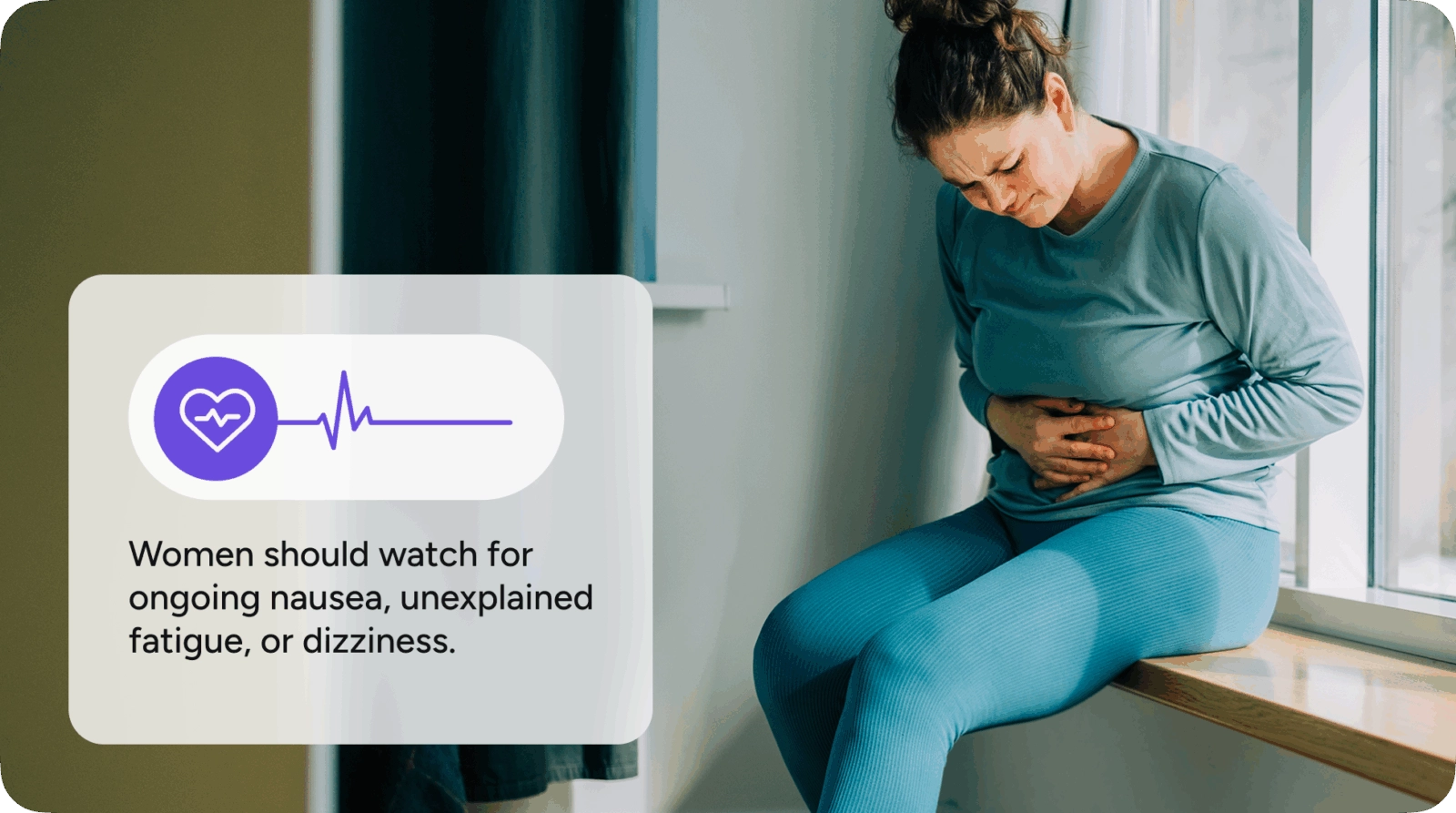
- Unusual symptoms: persistent nausea, unexplained sudden fatigue, sudden persistent light-headedness (these can be less “classic” signs of angina in women)
- Trouble breathing: particularly severe shortness of breath
- Numbness: sudden weakness or numbness, particularly on one side
- Severe headache: sudden severe headache
- Sudden dizziness: severe light-headedness or loss of consciousness

Contact your healthcare provider promptly for:
- Persistent elevated blood pressure readings: blood pressure consistently above 140/90
- New or worsening symptoms: fatigue, dizziness, or palpitations
- Problems with medication: difficulty managing your current medications or side effects
- Major health changes: significant changes in your health status

-
12.
Get expert guidance when your risk changes
Your heart health needs to evolve throughout your life. Seek additional medical support when:- You reach milestone ages: Screening recommendations change when you turn 40, 50, or 65.
- You receive a new diagnosis: New conditions can affect cardiovascular risk (diabetes, high blood pressure, high cholesterol).
- You experience major life changes: Experiencing pregnancy, menopause, or significant weight changes can change your risk.
- Your family history reveals new risk factors: Certain changes, such as a close relative having early heart disease, can increase your risk.
- You’re recovering from COVID-19 or another illness: Some illnesses may affect your heart.
- You’re starting or stopping medications: A new routine can impact heart health.

Take the next step toward improved heart health
Learning how to improve heart health is an ongoing journey, not a destination. The 12 tips outlined above provide a comprehensive framework for protecting your cardiovascular system through daily habits, informed monitoring, and proactive medical care.
Remember, you don’t need to make all these changes at once. Start with one or two that can make the most impact, stick with them, and gradually build from there. Small, consistent efforts add up to big improvements over time.

Ready to take action?
Doctor On Demand’s board-certified providers are available 24/7 to support your heart health journey. Whether you need help creating a personalized plan, managing existing conditions, or understanding your cardiovascular risk factors, our team is here to guide you.
Take our Know Your Numbers quiz to learn more about preventive care, or book your annual visit today to start taking control of your heart health. Your heart does incredible work for you every single day — give it the care and attention it deserves.
About the authors

Dana Duran is a copywriter with over 15 years of experience writing and editing content for start-ups, wellness brands, and non-profits, including 10 years of writing, editing, and producing in the museum and cultural space. She currently lives and works in San Diego, CA.

Dr. Heather Hockenberry is board certified in family medicine. She earned her doctor of medicine degree at the University of Nevada Reno School of Medicine where she also completed her internship and residency in family medicine, serving as chief resident during her time there. As an urgent care physician for a decade prior to coming to Included Health, she treated acute illnesses and injuries of a diverse nature in a clinic setting. She came to Included Health in 2015 as a staff physician, and currently serves as an associate medical director supporting our clients from a clinical perspective.