In this article
- What is an online doctor visit?
- How does a telehealth appointment work?
- What to expect during your online doctor visit
- When should you book an online doctor visit?
- What can virtual care treat?
- When should you seek in-person care instead?
- FAQs about online doctor visits
- The next step is easier than you think
Wondering how an online doctor visit works? You’re not alone. Whether you’re dealing with a new symptom, managing an ongoing condition, or simply looking for a more convenient way to access care, many people are curious about what happens during an online doctor visit — and whether it can really provide the same level of care as an in-person appointment.
The good news is that today’s virtual care is designed to be much more than a video call. An online doctor visit allows you to connect securely with a licensed clinician who can evaluate your symptoms, answer your questions, recommend treatment, prescribe medication when appropriate, and help you determine the right next step for your care — all from wherever you are.
If you’ve never scheduled a virtual doctor visit before, this guide will walk you through what to expect before, during, and after your appointment. Dr. Heather Hockenberry, Included Health’s Clinical Affairs Medical Director, will also explain when a telehealth visit makes sense, what conditions can often be treated virtually, and when it’s best to seek in-person care instead.

What is an online doctor visit?
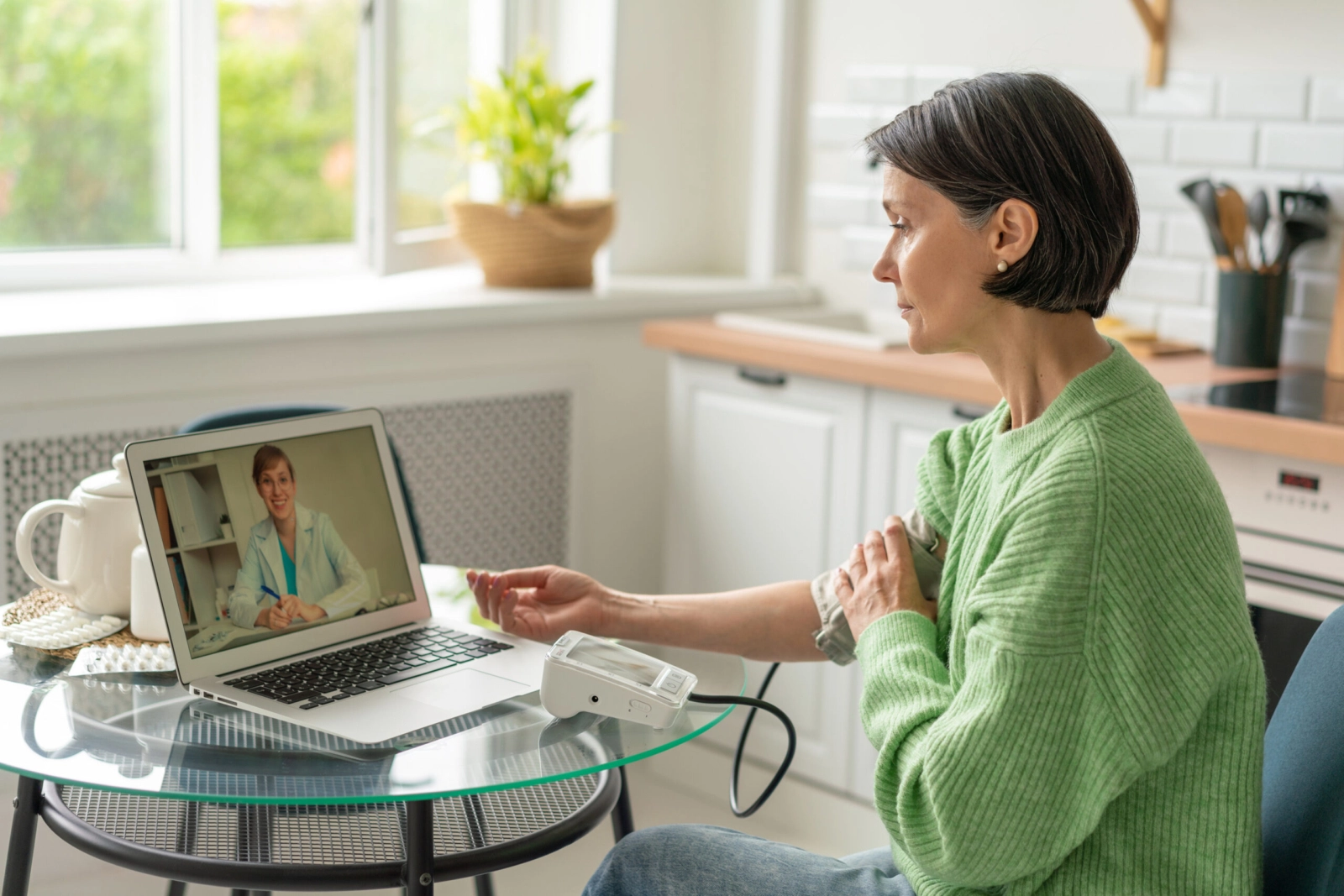
An online doctor visit is a medical appointment that takes place securely over video using your computer, tablet, or smartphone. You may also hear it called a virtual doctor visit, telehealth appointment, video doctor visit, or telehealth visit. While the terminology varies, they all refer to the same basic experience: meeting with a licensed healthcare provider remotely instead of in a traditional exam room.
Just like an in-person appointment, your provider will ask about your symptoms, review your medical history, discuss your concerns, and recommend the next steps based on your individual situation.
For many everyday health concerns, online healthcare offers a convenient way to receive expert medical guidance without traveling to a clinic or waiting room. And if your provider determines that additional testing or an in-person evaluation is needed, they’ll help guide you toward the most appropriate level of care.
“You don’t have to know those things. The only thing you need to really do is take that first step,” advises Dr. Hockenberry.
That’s an important point. Many people delay getting care because they’re unsure whether their symptoms are serious enough or what kind of appointment they need. An online doctor visit can often be the easiest first step.

How does a telehealth appointment work?
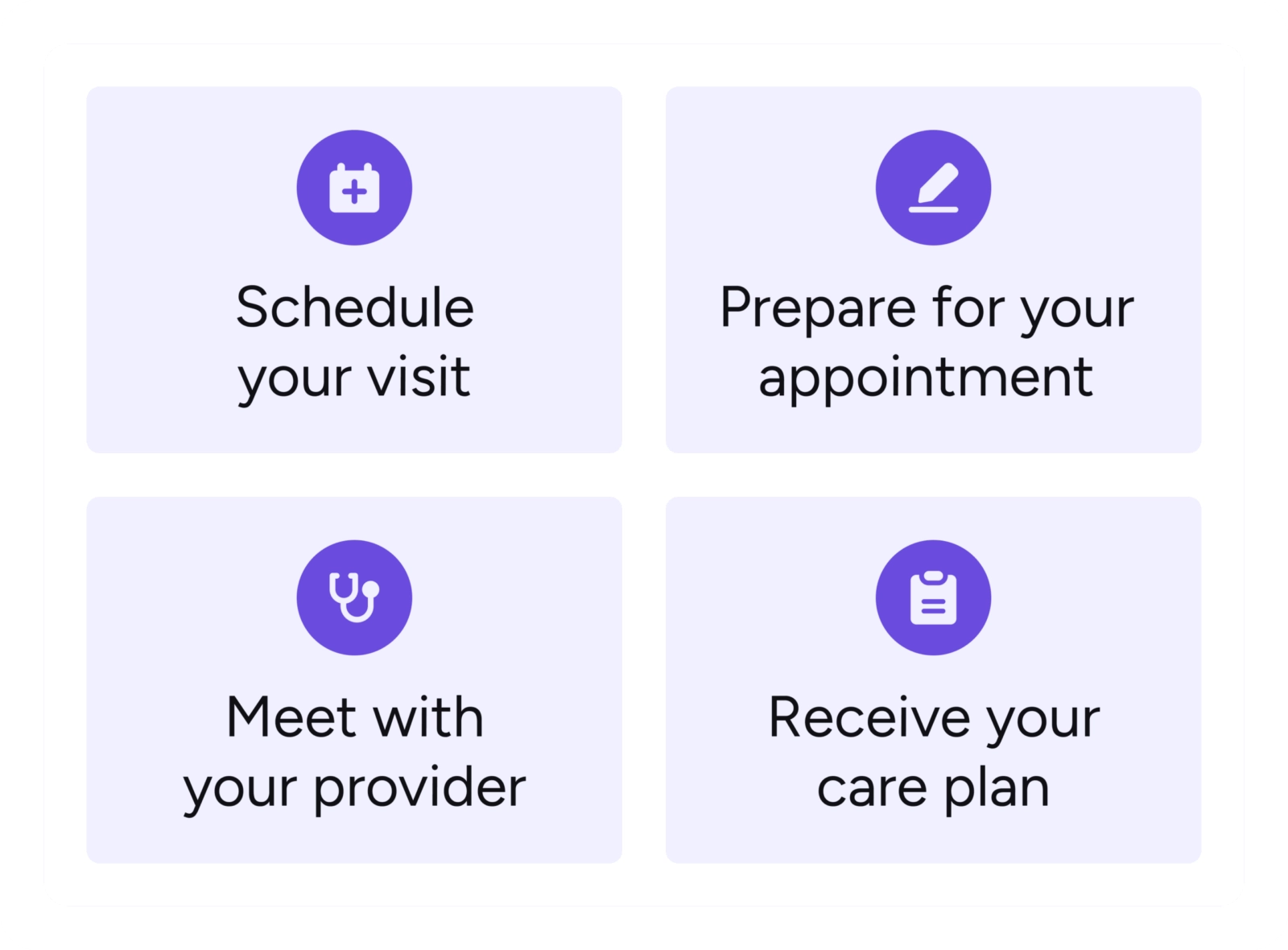
If you’re wondering how a virtual doctor visit works, the process is typically straightforward. While every healthcare organization is slightly different, most online appointments follow the same basic steps.
Schedule your visit
Choose the type of appointment that best fits your needs and schedule a time that’s convenient for you. Depending on availability, you may be able to book same-day care for urgent concerns or schedule a future appointment with a primary care provider.
When booking your appointment, you’ll typically answer a few questions about your symptoms or the reason for your visit. This helps your provider prepare before the appointment begins.
Prepare for your appointment
A little preparation goes a long way toward making your telehealth appointment as productive as possible.
Before your visit, consider having the following nearby:
- A list of your current medications
- A timeline of when your symptoms began and how they’ve changed
- Any questions you’d like to discuss
- Recent blood pressure or weight measurements, if available
- Records of recent vaccines or preventive screenings, if you have them
- A quiet, well-lit space with a reliable internet connection
- A working camera and microphone
If you’re being seen for a specific concern, your provider may ask you to show a rash, examine your throat, or demonstrate how a joint moves. Choosing a location where you can comfortably adjust your camera or stand if needed can help the visit run smoothly.
Meet with your provider
Many people assume an online doctor visit is mostly about looking at a symptom through a camera. In reality, the conversation is often the most important part of the appointment.
Your provider will likely discuss:
- Your current symptoms
- Your personal medical history
- Family medical history
- Current medications
- Lifestyle habits
- Stressors and daily routines
- Preventive care needs
- Your overall health goals
According to Dr. Hockenberry, much of good medicine comes from understanding the complete picture — not just today’s symptoms.
“The majority of the visit will be a conversation,” she shares. Providers gather information about your medical history, family history, lifestyle, preventive care, and current concerns to better understand your overall health.
That broader perspective helps clinicians identify patterns, understand risk factors, and determine whether additional testing, treatment, or follow-up is appropriate.
Receive your care plan
At the end of your online doctor visit, your provider will explain their recommendations and help you understand what comes next.
Depending on your needs, your care plan may include:
- Treatment recommendations
- Prescription medications, when appropriate
- Lab work or imaging orders
- Referrals to specialists
- Follow-up appointments
- Preventive care recommendations based on your age and health history
If your provider believes your symptoms require an in-person evaluation, they’ll explain why and recommend the most appropriate setting, whether that’s your primary care provider, an urgent care clinic, or the emergency department.

What to expect during your online doctor visit
One of the biggest misconceptions about virtual care is that it can’t be as thorough as an in-person appointment. While there are certainly situations that require a hands-on examination, today’s online doctor visits can accomplish much more than many people realize.
Dr. Hockenberry says one reason is simple: “So much of a visit is the history.”
Thoughtful questions about your symptoms, medical history, lifestyle, and overall health often provide many of the clues clinicians need to guide diagnosis and treatment.
Additionally, your provider may ask you to actively participate in parts of the physical exam during your appointment. Depending on why you’re seeking care, they may ask you to:
- Adjust your camera for a better view
- Show a rash or other skin concern
- Open your mouth so they can examine your throat
- Demonstrate how a painful joint moves
- Point to the area that’s bothering you
- Share home measurements like your temperature, blood pressure, weight, or oxygen level if available
For example, if you’re experiencing a sore throat, your provider may ask you to move closer to the camera and say “ah” so they can look for redness or swelling. If you’re experiencing knee pain, they may ask you to stand, bend your knee, or point to where it hurts. If you’re concerned about a rash, they may ask questions about whether it’s raised or flat while visually examining the affected area.
As Dr. Hockenberry explains, “Virtual care is both safe and effective for many health concerns because clinicians know what can be evaluated remotely — and just as importantly, they know when an in-person examination is necessary. That balance is part of delivering high-quality care.”

When should you book an online doctor visit?
One of the biggest questions people have isn’t just how an online doctor visit works — it’s whether they should schedule one in the first place.
The truth is, you don’t need to know exactly what’s causing your symptoms before seeking care. In many cases, an online doctor visit is a practical first step that can help you understand what’s going on, determine whether you can safely manage your symptoms at home, or identify if additional testing or in-person care is needed.
Here are a few situations where scheduling a virtual doctor visit often makes sense.
When you have a new symptom
A new symptom doesn’t automatically mean it’s an emergency — but it also doesn’t mean you should ignore it.
If you’ve developed a rash, sore throat, urinary symptoms, congestion, digestive issues, or another new concern, an online doctor can help assess your symptoms, ask the right questions, and recommend the most appropriate next step.
In many cases, getting medical guidance early can help you begin treatment sooner, provide peace of mind, or prevent a minor concern from becoming more disruptive.
When you need care soon — but it isn’t an emergency
Not every health concern requires an emergency room visit, but many shouldn’t wait several weeks for your next available appointment.
An online doctor visit can be a convenient option when you’re feeling sick enough that your symptoms are affecting your day, but you’re not experiencing a medical emergency.
“Symptoms such as significant fever, fatigue that makes it difficult to carry out normal activities, or pain that’s interfering with work or daily life deserve timely medical attention — even if they don’t require emergency care,” shares Dr. Hockenberry.
If you’re unsure where your symptoms fall, talking with a clinician can help you determine the right level of care.
When you’re managing an ongoing health concern
Virtual care isn’t just for unexpected illnesses.
Many people use online appointments to manage chronic conditions, review medications, discuss new symptoms, or follow up on an existing treatment plan.
Because your provider has access to your medical history and can review your progress over time, these visits can be an effective way to stay connected to your care between in-person appointments.
When you have questions about treatment or medications
Maybe you’ve recently been diagnosed with a condition, started a new medication, or simply aren’t sure whether your treatment plan feels right.
An online appointment gives you the opportunity to ask questions, discuss side effects, better understand your options, or determine whether additional follow-up is appropriate.
Dr. Hockenberry also encourages people to trust their instincts.
“If there’s that little voice in the back of your head that says, ‘This just doesn’t quite feel right,’ you should honor that.” Seeking additional guidance — even if it simply confirms you’re on the right path — can help you feel more confident in your care.
When you’re looking for primary or preventive care
Even if you feel healthy today, staying connected with a primary care provider is one of the best ways to protect your long-term health.
Virtual primary care appointments can help you:
- Review your personal and family medical history
- Stay up to date on preventive screenings
- Discuss vaccinations
- Monitor ongoing health concerns
- Create a plan for improving your overall health
As Dr. Hockenberry explains, one of the primary care provider’s most important roles is helping patients navigate healthcare — not expecting them to have all the answers before scheduling an appointment.

What can virtual care treat?
One of the most common questions people have before booking an online doctor visit is, “Can virtual care help with my symptoms?”
Often the answer is yes.
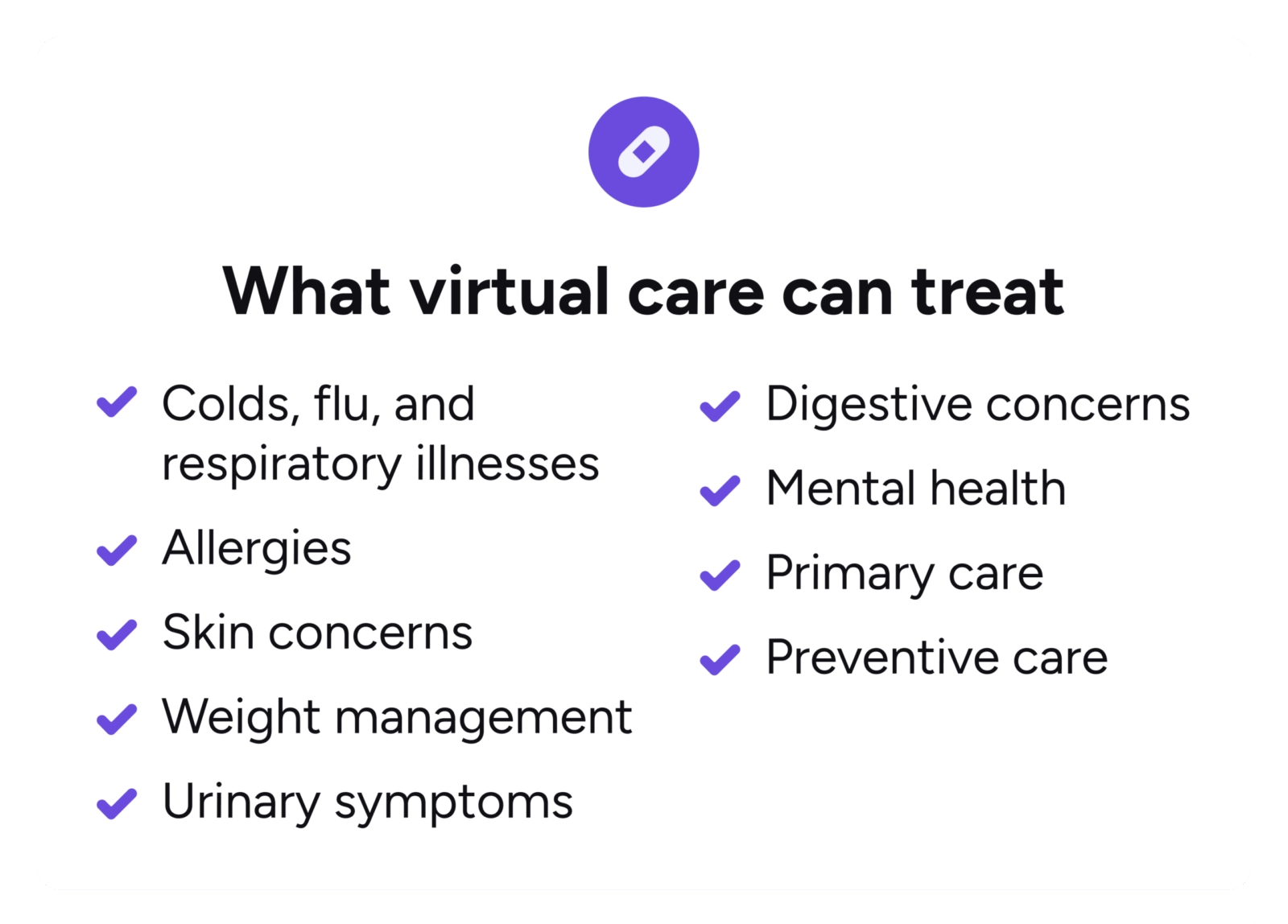
Virtual care is designed to treat a wide range of everyday health concerns — from sore throats and urinary symptoms to rashes, allergies, digestive issues, and ongoing primary care needs. During your appointment, your provider will ask detailed questions about your symptoms, review your medical history, and perform as much of the physical examination as can be done safely over video to determine the most appropriate next step.
While not every condition can be diagnosed or treated virtually, many can be — and if an in-person evaluation is needed, your provider will help guide you there.
Here are some of the most common reasons people book an online doctor visit.
Colds, flu, and respiratory illnesses
Many common respiratory illnesses — including colds, the flu, sore throats, sinus pressure, congestion, and coughs — can often be evaluated during an online doctor visit. Your provider will ask about your symptoms, how they’ve changed over time, and may ask you to open your mouth or observe your breathing to help guide their assessment.
If you’re curious whether your symptoms can be managed virtually or require more urgent evaluation, our article on summer health tips provides guidance on when to see a virtual doctor for respiratory illnesses. And if you’re unsure about the severity of your cough, get more guidance when to go to the ER for a cough.
Allergies
Seasonal allergies, itchy eyes, sinus congestion, and similar allergy symptoms can often be evaluated virtually. Your provider can recommend treatment options and help determine whether your symptoms are more consistent with allergies vs. common cold symptoms or another condition that may require additional evaluation.
Skin concerns
Many skin concerns — including rashes, insect bites, and other visible skin changes — are well suited to virtual care because your provider can often evaluate them using your device’s camera.
Not sure if your rash needs prompt medical attention? Learn more about when to go to urgent care for a rash, and when virtual urgent care is the best next step for certain skin concerns.
Weight management
Virtual visits can also support weight loss management by reviewing your health history, lifestyle habits, medications, and treatment goals. Your provider can discuss personalized recommendations and determine whether additional testing or referrals may be appropriate.
Urinary symptoms
Symptoms like burning with urination, urinary urgency, increased frequency, and lower abdominal discomfort are common reasons people seek virtual care. Timely evaluation can help you begin appropriate treatment and determine whether additional testing is needed.
Looking for clarity on when to seek care? Read our article on when to see a doctor for a UTI.
Digestive concerns
Many common digestive concerns — including nausea, vomiting, diarrhea, constipation, heartburn, and mild abdominal discomfort — can often be evaluated virtually. If your symptoms suggest you need a hands-on examination or additional testing, your provider will explain the appropriate next step.
Mental health
Virtual care can make it easier to access support for anxiety, depression, stress, burnout, sleep concerns, and other mental health needs from the comfort of home.
For additional guidance, explore your virtual care options for mental health concerns.
Primary care
Virtual primary care visits can help you establish ongoing care, manage chronic conditions, review medications, discuss new symptoms, and coordinate specialist referrals — all while building a long-term relationship with a provider who understands your health history.
If you don’t already have a primary care provider, learn why it’s so important in 7 reasons a primary care provider matters.
Preventive care
You don’t have to wait until you’re sick to schedule an online doctor visit. Virtual appointments can help you stay current on recommended screenings and vaccinations, review necessary healthy habits, explain how to improve heart health, and help you understand how to prioritize preventive care based on your age and health history.
For more information, explore Preventive care by age: what to check in on now.
When should you seek in-person care instead?
One of the strengths of high-quality virtual care is recognizing when a hands-on evaluation is the safest and most appropriate next step.
While many everyday health concerns can be assessed during an online appointment, some symptoms require immediate or in-person medical attention.
Seek emergency care right away if you experience:
- Severe chest pain
- Signs of a stroke, such as sudden weakness, facial drooping, or difficulty speaking
- Severe difficulty breathing
- Uncontrolled bleeding
- Major injuries or suspected broken bones
- Loss of consciousness
- Any other life-threatening emergency
Some concerns — such as severe abdominal pain, certain neurological symptoms, or injuries requiring imaging or a physical examination — may also require evaluation at an urgent care center or your primary care provider.
“Experienced virtual clinicians understand both the possibilities and the limitations of telehealth,” Dr. Hockenberry shares. If your symptoms require additional evaluation, your provider will explain why and help direct you to the right level of care. That’s not a limitation of virtual care — it’s an important part of delivering safe, high-quality medicine.

FAQs about online doctor visits
Can a doctor diagnose me over video?
Yes — for many common health concerns, an online doctor can evaluate your symptoms, make a diagnosis, and recommend treatment during a virtual visit.
Much of a diagnosis comes from understanding your symptoms, medical history, and how your condition has changed over time. Depending on your concern, your provider may also ask you to adjust your camera, show a rash or sore throat, demonstrate joint movement, or share measurements like your temperature or blood pressure.
There are some situations that require an in-person examination, imaging, or additional testing. If that’s the case, your provider will explain why and help guide you to the appropriate next step.
Can online doctors prescribe medication?
Yes. If it’s medically appropriate, your provider can prescribe many medications during an online doctor visit.
The type of medication that can be prescribed depends on your symptoms, diagnosis, state regulations, and your provider’s clinical judgment. If additional testing or an in-person evaluation is needed before treatment, your provider will discuss those recommendations with you.
How long does an online doctor visit take?
Most online doctor visits last about 15 to 30 minutes, although the exact length depends on the reason for your appointment.
Your visit may be longer if you’re establishing care with a new primary care provider, reviewing multiple health concerns, or discussing preventive care recommendations.
Is virtual care as good as an in-person visit?
Virtual care is safe and effective for many everyday health concerns, and research continues to support its use for a wide range of conditions. It also offers greater convenience by allowing you to receive care from home, work, or while traveling.
That said, virtual care isn’t meant to replace every in-person visit. Some conditions require a hands-on examination, imaging, or emergency treatment. An important part of high-quality virtual care is recognizing those situations and helping patients get the right care at the right time.
Dr. Hockenberry explains that virtual visits are often more comprehensive than people expect because clinicians gather valuable information through conversation, observation, and guided elements of the physical exam — all while recognizing when additional evaluation is needed.
Can I use virtual care while traveling?
In many cases, yes.
Virtual care can be a convenient option when you’re away from home and develop a new health concern. Depending on your location and licensing requirements, you may be able to connect with a provider for evaluation, treatment recommendations, and prescriptions when appropriate.
Before traveling, it’s always a good idea to review your health plan’s virtual care benefits and any state-specific availability.
Do I need to download anything before my appointment?
Depending on your healthcare provider or health plan, you may be asked to download an app or log in through a secure website before your appointment.
Before your visit, take a few minutes to:
- Test your internet connection.
- Make sure your camera and microphone are working.
- Find a quiet, well-lit space.
- Have your medications, symptom notes, and any home health measurements nearby.
A little preparation can help your appointment run more smoothly and ensure you get the most out of your visit.

The next step is easier than you think
Healthcare can feel complicated — especially when you’re not sure what’s wrong or where to begin. But getting care doesn’t have to start with having all the answers.
Whether you’re dealing with a new symptom, managing an ongoing condition, or simply trying to stay on top of your health, an online doctor visit can help you understand what’s going on, determine the right next step, and access expert care that fits into your day.
As Dr. Hockenberry often reminds patients, you don’t have to figure out the healthcare system on your own. Taking the first step is often the most important one, and a trusted primary care provider can help guide you from there.
When you’re ready, we’re here to help. Book a video visit to get started.
About the authors

Quan Lam is a copywriter with over 15 years of experience writing and editing content for both start-ups and legacy brands, as well as 2 years of writing experience exclusively within the healthcare space. She currently lives and works in New York City.

Dr. Heather Hockenberry is board certified in family medicine. She earned her doctor of medicine degree at the University of Nevada Reno School of Medicine where she also completed her internship and residency in family medicine, serving as chief resident during her time there. As an urgent care physician for a decade prior to coming to Included Health, she treated acute illnesses and injuries of a diverse nature in a clinic setting. She came to Included Health in 2015 as a staff physician, and currently serves as an associate medical director supporting our clients from a clinical perspective.